
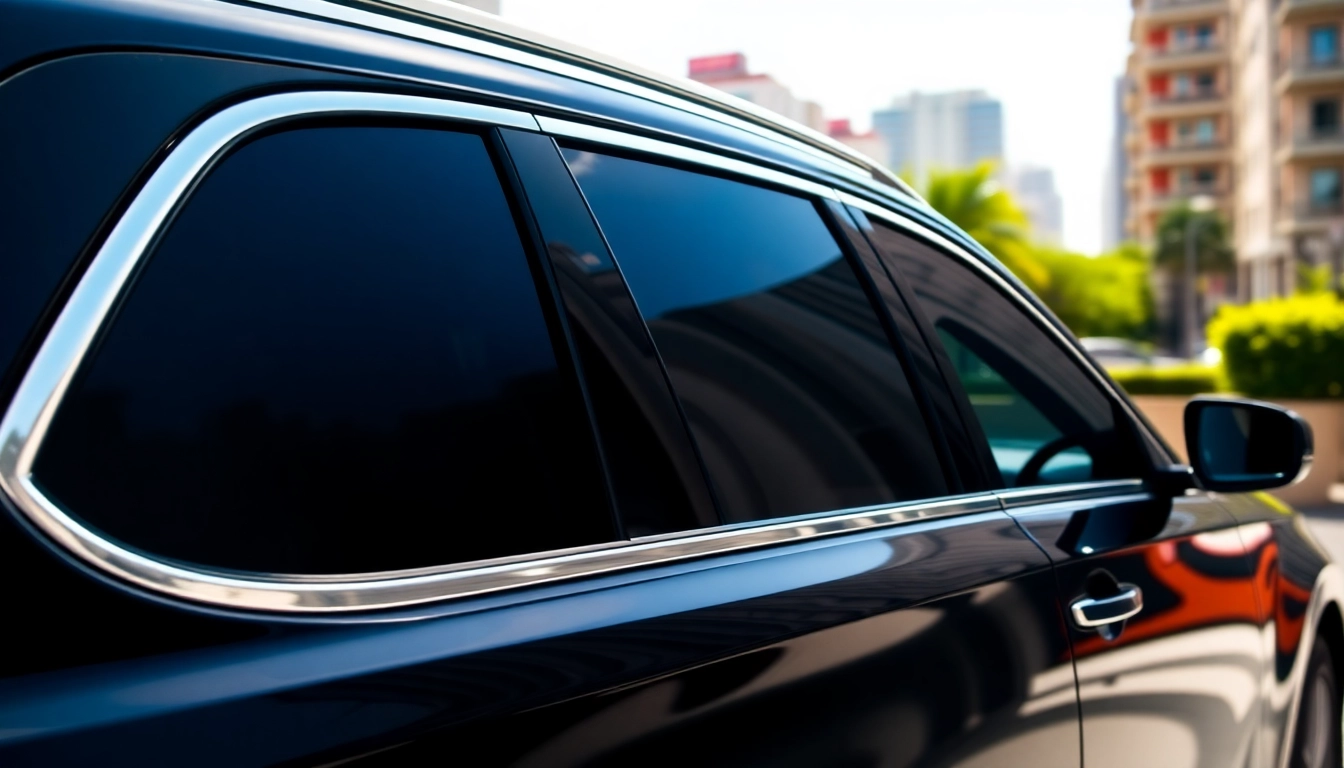
Understanding Ceramic Window Tint: What You Need to Know
If you’re considering window tinting for your vehicle or home, one option has gained immense popularity among consumers: ceramic window tint. Ceramic window tint is widely recognized for its innovative technology and high-performance characteristics. This article will delve into the intricacies of ceramic window tint, its advantages, and how it compares with other options on the market.
What Is Ceramic Window Tint?
Ceramic window tint is a type of window film that incorporates ceramic particles into the material. Unlike traditional tinted films, which often rely on dyes or metal to block heat and UV rays, ceramic tints leverage the unique properties of ceramic components. These particles create a non-metallic film that effectively blocks harmful UV rays while allowing visible light to pass through. This technology has revolutionized window film applications, enhancing durability and performance.
Advantages of Ceramic Window Tint
Ceramic window tint offers numerous advantages that set it apart from traditional window films:
- Superior Heat Rejection: Ceramic films can reject up to 99% of UV rays and a significant amount of infrared heat, keeping your interior cooler.
- Clarity and Transparency: Despite its heat-rejecting capabilities, ceramic tint maintains high clarity and visibility, ensuring that the aesthetics of your vehicle or home are not compromised.
- Durability: The non-metallic nature of ceramic film prevents corrosion and fading, resulting in a long-lasting product that withstands harsh environmental conditions.
- No Signal Interference: Unlike metallic tints, ceramic films won’t interfere with electronic devices, such as GPS or cell phone signals.
Comparing Ceramic Window Tint to Other Options
When choosing window tint, it’s essential to understand how ceramic window tint stacks up against other options:
| Type of Window Tint | Heat Rejection | UV Protection | Clarity | Durability | Signal Interference |
|---|---|---|---|---|---|
| Ceramic | Excellent | 99% | High | Very High | No |
| Dyed | Moderate | 99% | Variable | Medium | No |
| Metalized | Good | 99% | Moderate | High | Yes |
This comparison highlights the superior qualities of ceramic window tint, making it a standout choice for those seeking performance and aesthetics.
Key Benefits of Ceramic Window Tint
UV Protection and Skin Safety
One of the primary benefits of ceramic window tint is its exceptional protection against UV rays. Prolonged exposure to ultraviolet light can lead to skin damage and increase the risk of skin cancer. Ceramic tints can block up to 99% of UV rays, providing an added layer of safety for passengers and occupants. This is particularly beneficial in regions with high sun exposure.
Heat Reduction and Energy Efficiency
During hot months, excessive heat can lead to discomfort and increased reliance on air conditioning. Ceramic window tint effectively reduces heat by rejecting a significant amount of infrared light while maintaining visibility. This heat reduction not only enhances comfort but can also lead to decreased energy consumption and cost savings on energy bills.
Enhanced Privacy and Security
Ceramic window tint provides a valuable privacy barrier. It reduces visibility from the outside while allowing natural light to enter, maintaining a bright interior. Furthermore, an added benefit of window tinting is the potential security it provides—strong ceramic films can make it more difficult for intruders to break the glass, providing an extra layer of protection for your vehicle or home.
Choosing the Right Ceramic Window Tint
Factors to Consider When Selecting Tint
When selecting ceramic window tint, several factors need consideration:
- Visible Light Transmission (VLT): This percentage indicates how much light can pass through the tinted windows. Depending on your needs, you may prefer a higher or lower VLT.
- Legal Regulations: Ensure you are aware of local laws regarding window tinting. There may be specific restrictions on the allowable darkness of window film.
- Quality and Warranty: Choose products that come with a warranty, indicating confidence in the product’s durability and performance.
Understanding Tint Percentages
Tint percentages can be confusing for many. A higher percentage indicates lighter tint, whereas a lower percentage indicates darker tint. For example, a 70% VLT allows 70% of light to enter, while a 5% VLT blocks almost all visible light. Understanding these percentages will aid you in selecting the best option that matches your privacy and aesthetic preferences.
Cost Considerations for Ceramic Window Tint
The cost of ceramic window tint can vary based on several factors, including the quality of the tint, the number of windows being tinted, and labor costs for installation. While ceramic tints tend to be on the higher end of the price spectrum, the benefits—such as energy efficiency and UV protection—often justify the initial investment. Ensure to obtain quotes from multiple providers and compare their offerings for the best value.
Professional Installation of Ceramic Window Tint
DIY vs. Professional Installation
While DIY installation may seem more cost-effective, professional installation is generally recommended for ceramic window tint. Expert installers have the required experience and tools to apply the tint correctly, minimizing the risk of bubbles or imperfections. Moreover, a professional job ensures adherence to legal standards and often comes with warranties that DIY projects may lack.
Steps for a Successful Installation Process
- Choose the appropriate film based on your requirements.
- Thoroughly clean the windows to ensure no dust or grease remains.
- Measure and cut the ceramic film to the correct specifications.
- Apply the film meticulously to avoid bubbles, smoothing from the center outward.
- Allow the film to cure as per manufacturer recommendations—typically one to two weeks.
Common Installation Challenges and Solutions
Some common challenges encountered during the installation include:
- Dust and Debris: These can lead to bubbles. Ensure windows are clean and the installation area is free of dust.
- Bubbles: If bubbles form, use a squeegee to push them out toward the edges.
- Incorrect Sizing: Always measure twice and cut once for a perfect fit.
Maintaining Your Ceramic Window Tint
Care Tips for Longevity
For your ceramic window tint to last, proper care is essential. Avoid harsh chemicals when cleaning, as they can degrade the tint. Instead, use a mild soap and water solution and a soft cloth to keep your tinted windows clean and clear.
Cleaning Methods to Avoid Damage
When cleaning your windows, never use abrasive materials, ammonia-based cleaners, or any tools that may scratch the surface. Stick to microfiber cloths and gentle cleansers specifically formulated for window films.
Signs That Your Ceramic Window Tint Needs Replacement
Eventually, even the best ceramic window tints may need replacement. Signs to look out for include:
- Visible peeling or bubbling.
- Fading of color or significant discoloration.
- Scratches or damage that affect visibility.
Frequently Asked Questions (FAQs)
What is ceramic window tint made of?
Ceramic window tint is composed of ceramic particles mixed with polyester film, providing high-performance heat and UV protection without metal components.
How long does ceramic window tint last?
With proper care, ceramic window tint can last up to 15 years or more, depending on environmental conditions and maintenance practices.
Is professional installation necessary for window tint?
While DIY installation is an option, professional installation is recommended for optimal results and warranty coverage against defects or installation errors.
Can ceramic window tint interfere with cell signals?
No, ceramic window tint is non-metallic and does not interfere with cell phone, GPS, or other electronic signals.
How can I maintain my ceramic window tint?
Maintain ceramic window tint by cleaning with a soap and water solution, avoiding harsh chemicals, and protecting it from abrasive materials to extend its lifespan.
