
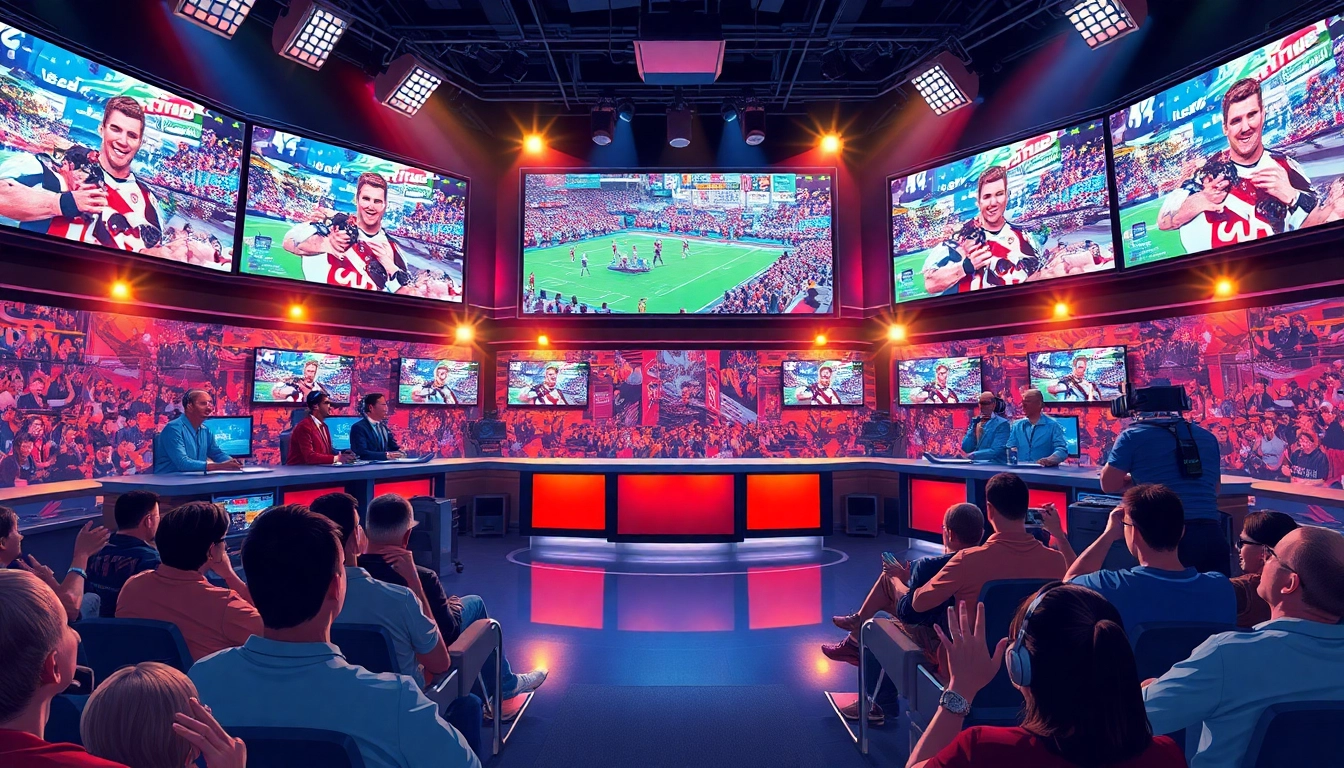
Understanding the Basics of Sports Broadcasting
Definition of Sports Broadcasting
Sports broadcasting refers to the dissemination of live and recorded events involving competitive sports through various media platforms, including television, radio, and digital mediums. This sector plays a crucial role in connecting sports enthusiasts with their favorite teams and athletes, allowing viewers to experience the excitement of the game from anywhere in the world. Today, the landscape of sports broadcasting encompasses a variety of formats, from traditional televised broadcasts to live streaming services. With the rise of online platforms, companies dedicated to Sports Broadcasting have evolved to meet changing viewer preferences.
Historical Evolution of Sports Broadcasting
The origins of sports broadcasting can be traced back to the early 20th century with radio broadcasts of significant sporting events. The first major broadcast came in 1921, when a boxing match between Gene Tunney and Jack Dempsey was aired, capturing the audience's imagination. Shortly thereafter, the arrival of television revolutionized the industry, with the first televised sporting event—a college football game—gracing screens in 1939. Over the decades, iconic events like the Super Bowl and the Olympics became staples of national broadcasting, drawing massive viewership and spawning a new era of broadcasting that would blend sports, entertainment, and journalism.
Importance of Sports Broadcasting in Media
Sports broadcasting serves as a crucial avenue for media engagement, creating a unique blend of information, entertainment, and community interaction. It drives significant revenue not only for broadcasters but also for the sports teams and leagues involved. Additionally, sports broadcasters often lead discussions on social issues, raise awareness for various causes, and foster a sense of community among fans. By covering diverse events, from major leagues to local sports, they contribute to a greater understanding of the culture surrounding sports.
Key Components of Effective Sports Broadcasting
Technology in Sports Broadcasting
The evolution of technology has played a transformative role in sports broadcasting. From satellite feeds to high-definition cameras, advancements have allowed for unprecedented coverage quality and accessibility. Innovations like instant replay, graphics overlays, and augmented reality enrich the viewing experience by providing fans with stats and visuals that enhance their understanding of the game. Streaming platforms have also enabled on-demand access, allowing viewers to watch events at their convenience, creating a shift from traditional viewing habits.
Expert Commentary and Analysis
Expert commentary is a cornerstone of effective sports broadcasting; analysts provide insights that enhance the viewer's understanding of the game's intricacies. Engaging commentators with diverse backgrounds—former players, coaches, and sports journalists—help create a narrative that informs and entertains. Their ability to break down plays, discuss strategies, and convey emotions helps elevate the broadcast from mere play-by-play reporting to a rich and engaging experience. The best commentators not only know the sport but also connect with fans on a personal level, making them integral to the viewing experience.
Engaging Presentation Techniques
Presentation techniques in sports broadcasting have evolved significantly, focusing on viewer engagement and experience. Broadcasters utilize interactive graphics, polls, and social media integration to enhance viewer participation. Additionally, the storytelling aspect of sports broadcasting has gained prominence, where narratives around players’ journeys, rivalries, and historical moments captivate audiences. Creative camera angles, drone footage, and slow-motion replays also play a vital role in presenting the game, ensuring that fans don't miss the action, regardless of the viewing platform.
Challenges Faced in Sports Broadcasting
Managing Live Broadcasts
Managing live broadcasts is fraught with challenges, as the stakes are high. Unpredictable weather, technical glitches, or unexpected events can disrupt broadcasts, demanding quick thinking and adaptability from the production team. Moreover, adhering to tight schedules and coordinating with various stakeholders, including event organizers and commentators, requires impeccable planning and execution. Broadcast teams are often required to think on their feet and have contingency plans in place to ensure a seamless viewing experience.
Adhering to Regulations
Sports broadcasters must navigate a complex landscape of regulations and compliance guidelines dictated by governing bodies and broadcasting authorities. Issues such as broadcasting rights, advertising regulations, and content standards vary across regions, necessitating careful adherence to local laws. Additionally, broadcasters must consider intellectual property rights and the implications of live streaming, especially as sports increasingly intersect with digital platforms and social media.
Technical Difficulties During Events
Technical difficulties can derail live broadcasts, from equipment failures to connectivity issues that hinder streaming quality. Robust infrastructure and backup systems are essential to minimize disruptions. Teams must conduct extensive tests ahead of broadcasts to ensure that all technology functions seamlessly. Having experienced technicians on hand and a well-defined protocol for handling technical issues allows teams to address problems efficiently, maintaining high standards for audience engagement.
Future Trends in Sports Broadcasting
Impact of Streaming Services
The rise of streaming services fundamentally reshapes the sports broadcasting landscape. With consumers becoming more selective about how they consume content, traditional cable subscriptions are declining as audiences shift to on-demand viewing. This change promotes competitive pricing and diversified content as sports leagues forge exclusive partnerships with streaming platforms. Such partnerships don’t just expand viewership but also empower audiences by providing multiple viewing choices and experiences like enhanced interactivity and multi-angle streaming.
Emerging Technologies
Emerging technologies like Virtual Reality (VR) and Augmented Reality (AR) are poised to redefine sports broadcasting. These technologies can place fans in the heart of the action, allowing them to experience games firsthand from their living rooms. Integrating AI-driven analytics will enhance commentary, offering real-time insights and statistics tailored to viewer preferences. Furthermore, advancements in 5G technology promise lower latency and higher-quality streams, facilitating smoother broadcasts and improved engagement through real-time data sharing.
Changes in Viewer Engagement
As the demographics of sports fans evolve, so too do the strategies for viewer engagement. Younger audiences gravitate towards shorter formats and highlights, leading broadcasters to create content that caters to this preference. Interactive features—like polls, gamification, and personalized experience—are becoming essential tools for maintaining engagement and ensuring that audiences stay connected to the game. This trend reflects a cultural shift emphasizing community and interaction, where viewers want to play an active role in the content they consume.
Measuring Success in Sports Broadcasting
Key Performance Indicators
Measuring success in sports broadcasting hinges on various key performance indicators (KPIs). Metrics such as viewership numbers, average watch time, and audience demographics provide insights into who is watching and how engaged they are. Revenue generated from advertising and subscriptions also factors into the success equation. Furthermore, social media engagement metrics, like shares and comments, have emerged as vital indicators of fan investment in broadcasts, shaping future content strategies.
Viewer Ratings and Feedback
Viewer ratings and feedback are essential for understanding audience preferences and driving content improvements. Broadcasters often conduct surveys and analyze online reviews to gauge viewer satisfaction. Analyzing ratings helps identify trends and inform decisions about which games or events to broadcast. Furthermore, direct interaction channels, such as social media, allow broadcasters to gain immediate insights into audience reactions, fostering community involvement and trust.
Analyzing Audience Engagement
Delving into audience engagement analysis requires a multifaceted approach to understand what captivates viewers. Qualitative and quantitative analyses allow broadcasters to tailor content more effectively. By measuring metrics like engagement rates during live events, viewership retention, and social media activity, companies can identify which aspects of their broadcasts resonate most with audiences. These insights form the backbone of strategic planning, allowing broadcasters to refine their offerings and enhance overall viewer experiences.
Frequently Asked Questions
What is sports broadcasting?
Sports broadcasting is the live or recorded transmission of sports events through various media, including television, radio, and digital platforms, connecting fans with their favorite sports.
How has technology impacted sports broadcasting?
Technology has revolutionized sports broadcasting by enhancing picture quality, introducing features like instant replay, and enabling real-time data display, which enrich viewer experience.
What are the primary challenges in sports broadcasting?
The primary challenges include managing live broadcasts, technical difficulties, regulatory compliance, and ensuring viewer engagement amid changing preferences.
What is the future of sports broadcasting?
The future of sports broadcasting will likely focus on streaming services, emerging technologies like VR and AR, and continued refinement of interactive viewer engagement strategies.
How do broadcasters measure success?
Success in sports broadcasting is measured through key performance indicators like viewership metrics, audience engagement levels, and social media interactions that inform content decisions.