Understanding Online Audio Mastering
Defining Online Audio Mastering
Online audio mastering is a crucial final step in the music production process that ensures tracks are polished, balanced, and ready for distribution. Unlike mixing, which focuses on blending individual audio tracks, mastering involves preparing and transferring the final mix to a data storage device. This process enhances audio clarity, boosts overall loudness, and ensures that the music translates well across various playback systems. With the advent of technology and high-speed internet, musicians and producers can now leverage online audio mastering services to efficiently produce high-quality audio from any location.
The Importance of Mastering in Music Production
Mastering serves multiple vital purposes in music production. First, it creates a cohesive sound across an entire album or set of tracks, ensuring a consistent listening experience. Second, it adds the final touch to the audio, making it competitive with commercial releases. Moreover, mastering optimizes loudness levels, equalization, and dynamic range, ensuring that the audio stands out and is not overly compressed or distorted. Lastly, mastering provides essential formatting for different mediums, such as streaming services, CDs, and vinyl.
Key Differences: Mixing vs. Mastering
Mixing and mastering are often confused, but they serve very different purposes in the audio production process. Mixing is the process where individual audio tracks are combined. This includes adjusting levels, panning, applying effects, and creating a stereo image. Mastering, on the other hand, is the final stage, focusing on enhancing the mixed track for distribution. The mix must be completed before the mastering process begins, as any changes in the mix can lead to the need for re-mastering. Understanding these distinctions enables artists to appreciate the importance of each phase in producing high-quality music.
Essential Tools for Online Audio Mastering
Digital Audio Workstations (DAWs)
A Digital Audio Workstation (DAW) is the primary tool for any audio engineer, including those specializing in online audio mastering. Popular DAWs like Pro Tools, Logic Pro, and Ableton Live provide the necessary environment for recording, editing, and mixing audio tracks. These platforms also integrate various plugins and effects essential for mastering, allowing for a seamless workflow from production to final output.
Mastering Software Plugins
Mastering software plugins are vital in enhancing the sound of a final mix. Common types of plugins include equalizers (EQ), compressors, limiters, and stereo imagers. Each of these tools plays a significant role in shaping the audio's tonal balance and dynamic range. For instance, EQ helps correct frequency imbalances while a limiter prevents distortion by controlling peaks. Selecting the right combination of plugins is essential for achieving a polished sound in the mastering process.
Audio Interfaces and Monitoring Systems
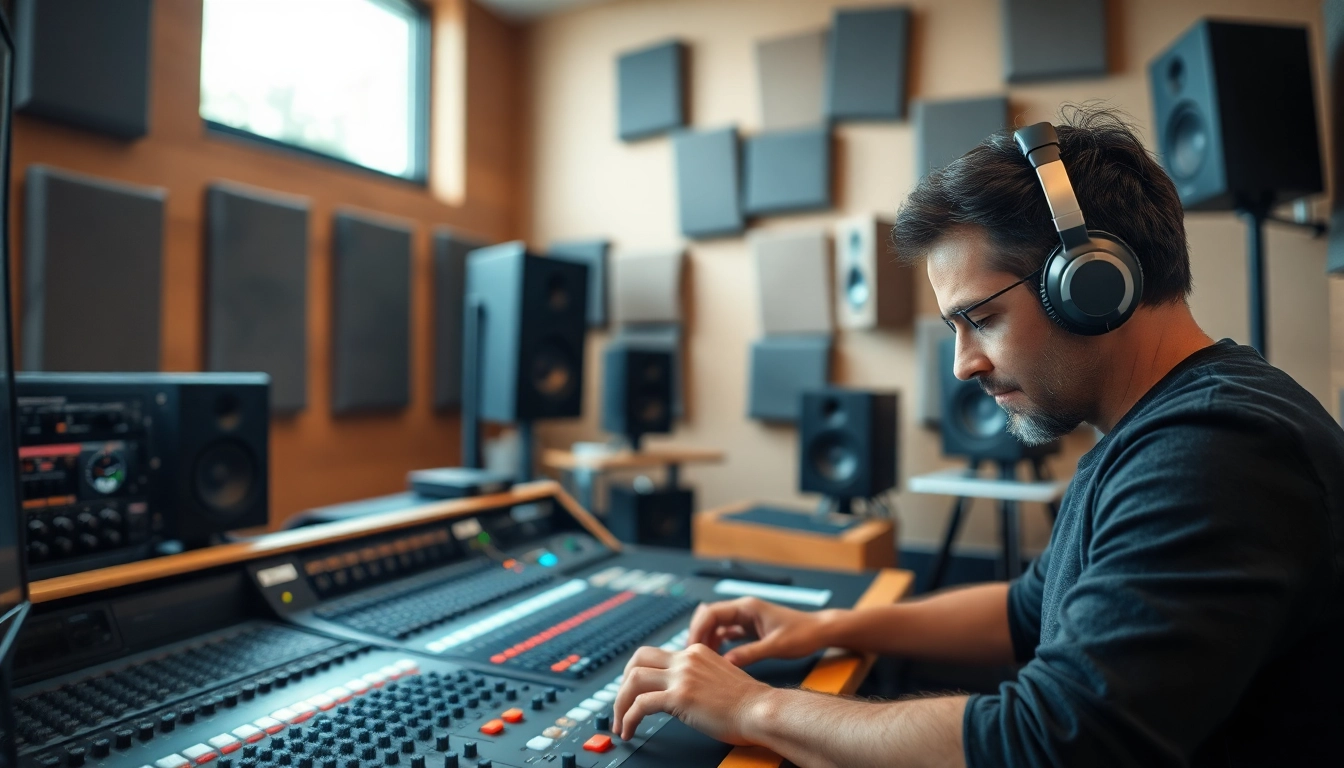
An audio interface is crucial for connecting microphones and instruments to a computer and converting analog signals into digital data. High-quality interfaces ensure that audio recordings capture detail and clarity. Additionally, monitoring systems, including studio monitors and headphones, are essential for critically listening to mastered tracks. Accurate playback systems allow mastering engineers to detect imperfections in the audio, ensuring the final product meets professional standards.
Step-by-Step Guide to Online Audio Mastering
Preparing Your Tracks for Mastering
Preparation is key to successful online audio mastering. Start by ensuring that the mix is finalized. This means that all elements have been appropriately balanced, effects applied as desired, and no further mixing changes will be made. Exporting the final mix in a high-quality audio format, such as WAV or AIFF, without any processing like normalization or limiting, ensures the mastering engineer has the best source material for their work.
Applying the Right Techniques
Once the tracks are prepared, it’s time to apply mastering techniques. Begin with applying EQ to optimize frequency balance and clarity. Next, utilize compression to manage dynamic range, allowing softer sounds to be brought up while controlling peaks. Follow these steps with saturation or harmonic excitement to add warmth and character. Lastly, apply limiting to increase the overall loudness of the track without introducing distortion.
Finalizing the Mastered Track
The final stage of the mastering process involves exporting the mastered track properly. This means selecting the correct bit depth and sample rate for the intended format, such as streaming or CD production. It's also essential to check the loudness levels according to platform guidelines, whether for Spotify, Apple Music, or any other distribution service. Listening tests on various speakers and environments can help confirm that the mastered track translates well across different playback systems.
Common Challenges in Online Audio Mastering
Overcoming Technical Issues
Technical issues can arise during the online audio mastering process, such as latency or unwanted artifacts in the audio. To overcome these challenges, ensure that the DAW is set to an appropriate buffer size. Additionally, meticulously check each plugin used in the chain for any potential issues. Frequent backups of your project can help minimize the risk of losing progress due to technical failures.
Maintaining Consistency Across Tracks
For artists producing multiple tracks or an entire album, maintaining consistency is crucial. This includes tonal balance, loudness levels, and overall sonic character. A good practice is to work on all tracks concurrently, referencing them against one another to ensure they complement each other. Using reference tracks from professionally mastered songs can also help establish a target sound for consistency.
Balancing Loudness and Dynamics
In the quest for greater loudness, many mastering engineers face the challenge of maintaining dynamics. Over-compression can lead to a flat sound lacking punch and emotion. To strike a balance, aim for moderate loudness without sacrificing the dynamic range. Utilizing tools like dynamic EQ and multiband compression can help manage loudness while preserving the track's depth and energy.
Evaluating Your Mastered Tracks
Using Reference Tracks for Comparison
One of the best ways to gauge the quality of your mastered tracks is by using reference tracks. Select high-quality tracks similar in genre and style, and play them alongside your own. This practice helps identify areas of improvement, such as frequency imbalances or dynamics. Adjustments can then be made to strive for a polished and professional sound.
Gathering Feedback from Peers
Feedback from peers can provide invaluable insights into the effectiveness of your mastering work. Sharing the mastered track with trusted colleagues or fellow musicians can uncover fresh perspectives. Constructive criticism allows you to spot strengths as well as weaknesses in your mastering approach, ultimately leading to a more refined final product.
Measuring Your Track’s Performance
Finally, once tracks are released, measuring their performance across various platforms provides feedback on the mastering process. Pay attention to Spotify analytics, YouTube views, and listener feedback to gauge how well the audio resonates with the audience. Understanding these metrics can guide future mastering efforts, enhancing both quality and audience engagement.
Frequently Asked Questions
What is the basic difference between mixing and mastering?
Mixing blends individual audio tracks to create a cohesive sound, while mastering prepares the final mix for distribution by enhancing audio characteristics and consistency.
Do I need special software for online audio mastering?
Yes, using a DAW along with mastering-specific plugins like EQ, compressors, and limiters are essential for achieving a professional sound during the mastering process.
How can I tell if my track is ready for mastering?
Your track is ready for mastering when it has a balanced mix, all levels are set, and you are satisfied with the arrangement and effects used in the song.
How long does the online audio mastering process take?
The duration for online audio mastering varies, typically ranging from a couple of hours to several days, depending on the complexity of the tracks and the engineer's workload.
Can I do online audio mastering myself?
Yes, with the right software and knowledge, you can perform online audio mastering yourself. However, hiring a professional can yield higher quality results.